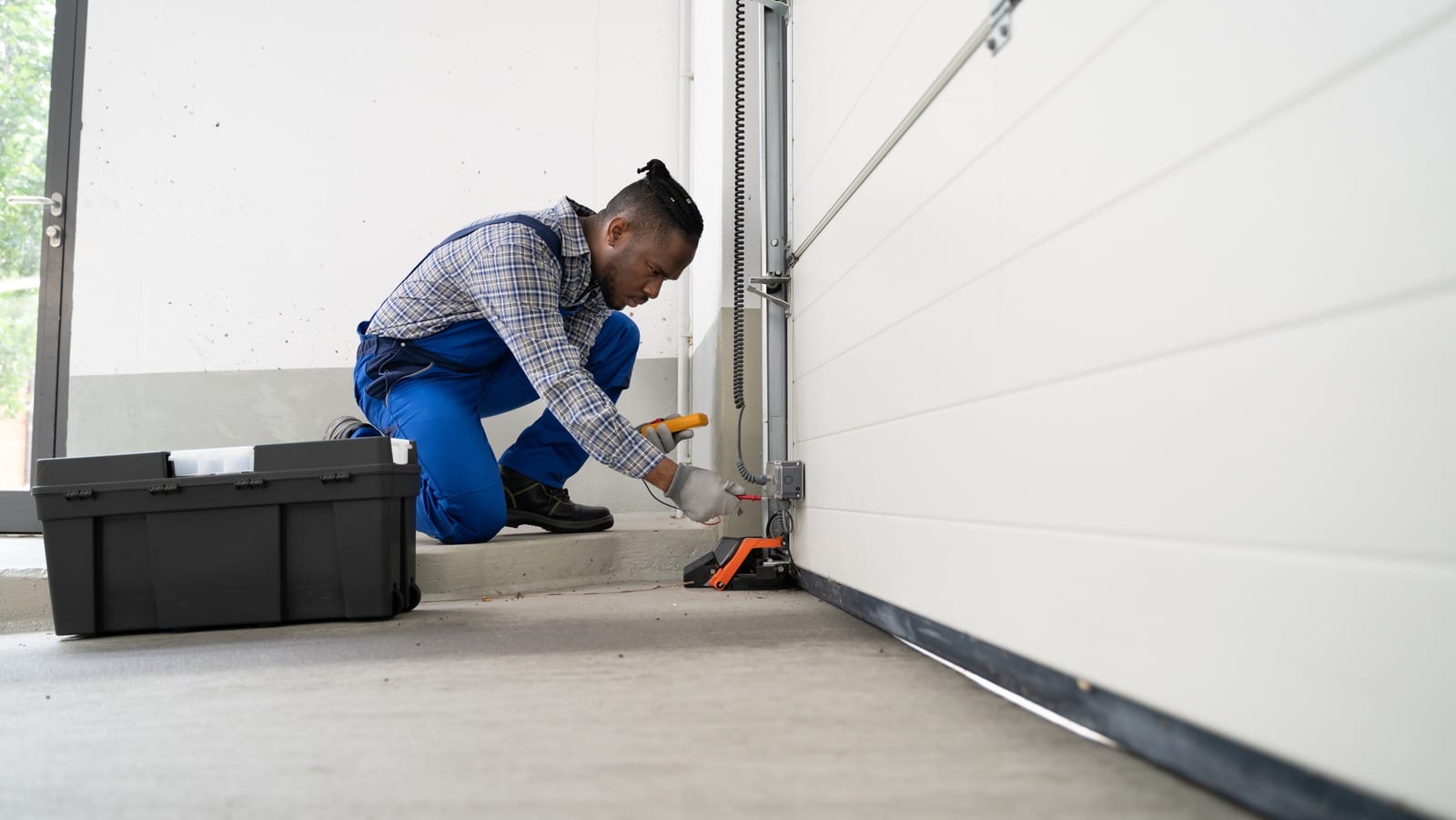
How to Install a Garage Door Spring starts with understanding what keeps your panel smooth and quiet as it rises and falls. That hidden force is the torsion system, and a worn spring can turn daily routine into a safety risk
We’re Garage Home Pros, a family team serving Davenport, FL since 2014. We handle broken springs, off-track rollers, opener faults, and full replacements with fast, friendly service. Safety and reliability guide every step we teach and perform.
In this short guide, we outline the core steps to replace garage door springs safely. You’ll learn where to clamp the track, how cones, drums, cables, and bearings work together, and why counted quarter turns and set screw torque matter. We also cover a simple balance test and final lubrication tips to keep coils moving smoothly.
Key Takeaways
- Springs store energy—clamp the track and use proper winding bars for control.
- Check cones, drums, cables, and bearings for correct alignment before winding.
- Counted quarter turns and a small stretch confirm correct torsion direction.
- Tighten set screws, seat cable tips, and perform a halfway balance check.
- We offer same-day support in Polk, Osceola, Lake, Orange, and Seminole counties—call (321) 200-0727.
Read This First: Safety, Liability, and When to Call a Pro
Working on torsion hardware carries real risk and demands strict precautions. We put your safety first and urge caution before any adjustments. If you lack the right tools or confidence, please call us for professional service.
Why this work is dangerous: Torsion springs hold stored energy that can spin the shaft or whip bars from your hands. A sudden release can cause severe injury or property damage. Treat tension operations as high risk and stop if anything feels wrong.
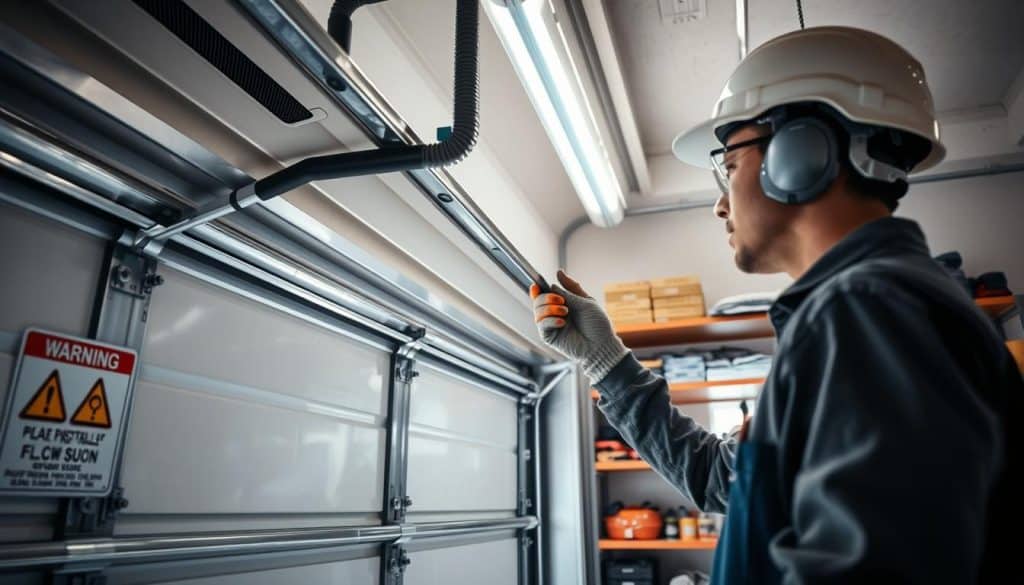
- Wear gloves, eye protection, and sturdy shoes. Secure loose clothing and hair.
- Unplug the opener and disconnect the drawbar. Prevent accidental activation.
- Clamp the track above a lower roller and use only solid steel winding bars sized for the cone.
- Control tension with counted quarter turns and use a vise grip stop for balance tests.
- Keep children, pets, and vehicles clear and plan an alternate exit while work is in progress.
We assume no liability for DIY injuries or damage. If a spring cracks, a set screw strips, or bars slip, stop and call our emergency team. We are available Monday–Saturday, 8:00 a.m.–9:00 p.m., for fast-response help in Davenport and nearby counties. Call (321) 200-0727 or email garagehomepros@gmail.com.
Tools, Parts, and Preparation Checklist
Before you start, gather the right gear and confirm each component matches your door’s specs. Proper prep saves time and improves safety.
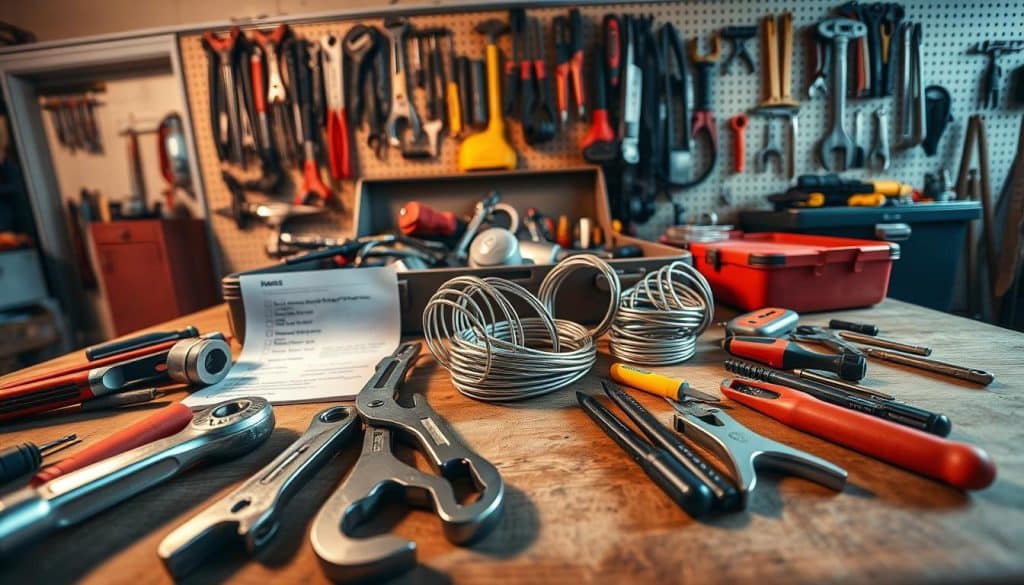
Essential tools
- Two solid steel winding bars (18–24 inches) that seat fully in the cone.
- Vise grips or locking pliers for clamping the vertical track and holding the shaft.
- A 9/16″ wrench or socket set for set bolts and anchor hardware, plus a drill for lag screws.
Required parts
- Matching torsion springs with correct wind, inner diameter, wire size, and length.
- Stationary and winding cones, end bearing plates, center anchor bracket, and a 1″ OD shaft.
- Cable drums, lift cables with stops, and replacement bearings as needed.
Final prep: inspect the shaft for burrs, lay out drums and cables, measure and mark shaft height, and stage light oil for bearings and coils. If you lack the right tools or parts, we can supply and install everything—call (321) 200-0727. We carry OEM components and provide same-day emergency garage door repair within 20 miles of Davenport, FL.
Identify Your System and Measure Correctly
Knowing your system and precise measurements prevents mismatches and unsafe tensioning. Begin with a clear visual check above the header. A bare shaft with cones and drums signals a torsion setup. Long coils along the track point at extension systems. A tube with a counter wheel means TorqueMaster.
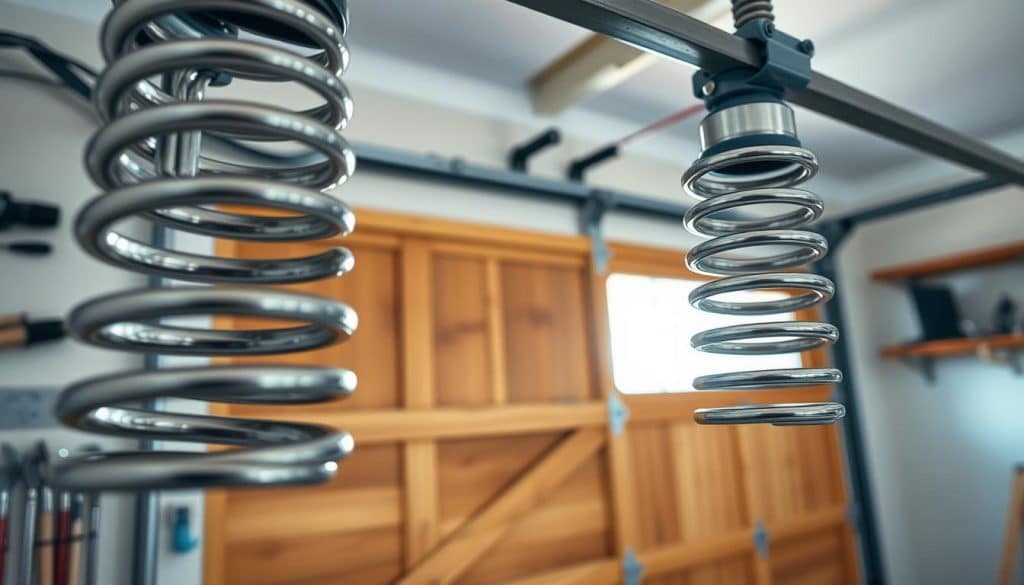
Determine wind direction by the cone orientation. Right-wound coils turn clockwise and usually sit left of the center bracket. Left-wound coils turn counterclockwise and sit on the right.
- Read inner diameter from cone stamps or measure it with calipers. Common marks are 1-3/4″ or 2″.
- Find wire size by measuring the length of 20 coils and using a wire chart for the gauge.
- Measure overall length across unwound coils. Add broken pieces when needed and round sensibly.
- Match selection to your door height and weight; insulation and hardware change the load significantly.
If you’re unsure, send photos to garagehomepros@gmail.com or call (321) 200-0727. We’ll confirm the correct replacement quickly and help prevent uneven lift, excess wear, and unsafe tension errors.
how to install a garage door spring
We follow a clear process for a full torsion replacement that focuses on balance and safety. First, unplug the opener, disconnect the drawbar, and clamp the track above a lower roller so the panel cannot jump while you work.
Next, mount end bearing plates and align the center anchor bracket with your shaft height line. Insert the torsion shaft, slide on bearings, then place springs with stationary cones toward the center and winding cones outward.
- Fit drums and cables: seat cable tips fully in the drum grooves and pull cables snug for even wrap.
- Lock the shaft: use a vise grip against the header and finger‑tighten bearings before setting screws.
- Winding and set: use steel bars and count quarter turns, stretch the spring to the 1/4″ mark, then tighten set screws 1/2–3/4 turn.
Finish with a vise‑grip stop test, remove the clamp, and perform a halfway balance check. Lubricate coils lightly, avoiding the last inch at each end so cones hold firm.
Prefer a pro for this job? We offer full-service installation and emergency repair Monday–Saturday with no after‑hours fees. Call (321) 200-0727 for fast dispatch across Polk, Osceola, Lake, Orange, and Seminole counties.
Prepare the Door: Power Down, Secure, and Disconnect
Before any work begins, power down the system and secure the panel so nothing moves unexpectedly.
Unplug the garage door opener and pull the emergency release. Remove the clevis pin and cotter pin to free the drawbar. This prevents the motor from reengaging while the assembly carries tension.
Lock the system before any adjustments
- Clamp the vertical track about three inches above a lower roller with a vise grip or C-clamp to stop upward travel.
- Lock the torsion shaft by seating a vise grip against the header so the shaft cannot rotate while you seat drums or set screws.
- Position your ladder to the side of the cone and keep tools within reach. Keep children and pets clear of the work zone.
- If you have an extension system, secure both sides with clamps before touching hardware.
If the opener hardware is corroded or you cannot safely disconnect the system, call us. We’re available Monday–Saturday, 8:00 a.m.–9:00 p.m. at (321) 200-0727 and we respond fast with no after‑hours fees.
Step‑by‑Step: Remove Old Torsion Springs Safely
Take deliberate steps and keep control of the shaft before releasing any tension. Safety is our top priority. If any step feels unsafe, call Garage Home Pros at (321) 200-0727 for fast help.
Release stored tension: insert a solid steel winding bar fully into the cone and seat it completely. Hold the bar firmly, loosen the cone set screws slightly, then back the spring off in counted quarter turns opposite the winding direction.
Work with two bars: lower the first bar to rest on the top of the panel, insert the second bar, and step the bars one quarter at a time until the spring reads neutral. Keep your body away from the swing path and never remove both bars while any load remains.
- Loosen drum screws and pull the shaft slightly so the cable stays snug.
- Unhook the cable tip from the drum slot; straighten the tip if it is bent.
- Slide the torsion shaft laterally and remove old springs and bearings, noting orientation: stationary cones face center, winding cones face outward.
Use a wrench with steady control to avoid stripped screws and keep parts organized by side. If hardware resists or a cone cracks, stop and contact us. We can remove damaged components and dispose of old springs as part of our emergency garage door repair service.
Install New Torsion Springs, Drums, and Cables
A correctly centered shaft makes all following steps straightforward and safe. Begin by mounting end bearing plates on the inside of the flag bracket and the horizontal track angle.
Secure bearings and anchor: fasten carriage bolts through the plate and lag into the jamb. Align the center anchor bracket with your pre-marked shaft height and tighten the lag screws. Lightly oil the center bearing race so the spring can rotate freely.
- Slide the shaft through the left bearing, add the left spring with the stationary cone facing center and the winding cone pointing outward, then repeat on the right.
- Seat cable drums flush against the bearing races. Finger-tighten drum set screws and ensure cable tips sit fully in the drum slot with the rounded stop outward.
- Pull down on each drum to remove slack while keeping the shaft pressed against the opposite bearing race, then tighten set screws evenly about 1/2–3/4 turn with a wrench.
- Measure equal shaft projection beyond each end plate to verify centering and even cable tension side to side.
- Quick check: recheck cable seating up the groove; cables that ride out can jump during winding.
- Not comfortable mounting brackets or aligning drums? We can handle the full installation. Call (321) 200-0727 or email garagehomepros@gmail.com for fast help across Polk, Osceola, Lake, Orange, and Seminole counties.
Winding, Stretching, and Securing the Springs
Begin winding only after your work area is secure and your bars are seated fully in the cone. Use solid steel winding bars and turn the spring up in counted quarter turns. For most 7′ doors plan about 28–30 quarter turns; 8′ doors often need 32–34. Verify with your door’s specs and the door weight.
Watch the spring grow in length as you wind — that growth confirms correct rotation. After reaching the target count, mark the shaft 1/4″ past the cone. Tap the bar and pull back to stretch the spring until the mark lines up.
Set screws and balance check
Tighten both cone set screws evenly about 1/2–3/4 turn after they first contact the shaft. Test the plug grip by pulling down on the bar; the door should begin lifting without slippage.
- Place a vise grip stop on the track and crack the bar downward until the roller touches the stop.
- If the door floats up, remove 1/4–1/2 turn; if it drops, add 1/4 turn and retest.
- When balanced in the stop test, remove bars and clamp and run the halfway balance test.
If the spring feels unpredictable during winding, stop and call (321) 200-0727. We’ll finish winding, stretching, and testing safely and get your garage back in service quickly.
Test, Balance, and Lubricate for Smooth Operation
Small tension tweaks and a quick balance test will prove the job is done right. We start with a halfway check before reengaging power.
Halfway balance test and fine tension adjustments
With the opener disconnected, raise the panel to mid height and release. A well-balanced door should hold its position without drifting.
If the panel drops, add a quarter turn of tension. If it rises, remove a quarter turn. Repeat until the door stays steady at mid height.
Reengage opener, adjust travel, and lubricate correctly
Reconnect the door to the door opener and plug in power. Set travel limits so the panel seals the floor without crushing the threshold.
Lubrication: apply light oil to the coils and use proper lubricant on hinges and bearings. Avoid oiling the last inch at each coil end so cones and set screws retain grip.
- Cycle the door by hand and watch for smooth, even travel.
- Adjust opener force so it lifts without straining and reverses on resistance.
- Run three powered cycles and listen for odd noises; tighten any loose screws or set hardware if needed.
If anything fails a test or the opener needs fine-tuning, stop and call us. We can fine-tune force, travel, and lubrication in one visit. Call (321) 200-0727 for a quick tune-up across our service area.
Extension and TorqueMaster Notes, Troubleshooting, and Pro Help
Not all spring assemblies behave the same; extension units and TorqueMaster systems demand special care. Identify your system before any tension changes and follow the method that matches your hardware.
Adjusting extension springs via track hanger holes
Open and secure the panel first. Move the spring hook one hole up to increase lift or one hole down to reduce lift.
Mirror every change on the opposite side. Small, matched steps keep the panel level and help maintain balance.
TorqueMaster counter wheel tips
Follow the counter wheel count for turns based on door height. Lock the shaft with pliers before winding the wheel and use only the indicated turns for your door size.
Common DIY pitfalls
- Double-check cable seating in drum grooves; a loose tip can snag and jam the track.
- Avoid over-tightening set screws—this can crush the shaft or strip cones and cause uneven lift.
- Uneven cable tension or misaligned drums creates gaps under the panel and poor balance.
When to stop and call Garage Home Pros
If cables fray, a shaft torque appears, tracks bend, or springs show cracks, cease work and call us. We can convert systems, replace parts, or perform emergency repair and replace garage door assemblies safely.
Need help? Call (321) 200-0727 or email garagehomepros@gmail.com for fast troubleshooting and service across Davenport and nearby counties.
Conclusion
This wrap-up highlights the steps that keep your system safe, balanced, and reliable.
Key checks: secure power down, track clamping, precise measuring, correct wind direction, counted quarter turns, a 1/4″ shaft stretch, and firm set screw torque. Finish with controlled balance tests, light lubrication, and opener travel and force adjustments.
We’re Garage Home Pros, family‑owned since 2014. For fast, friendly service with same‑day help, call (321) 200-0727 or email garagehomepros@gmail.com. We serve Polk, Osceola, Lake, Orange, and Seminole counties, Monday–Saturday 8:00 a.m.–9:00 p.m., with no after‑hours fees.
If cables, uneven lift, or uncertain tension pop up, stop work and call us. We handle repair, replacing garage door parts, broken springs replacement, and full installations so your home stays safe and your doors run quietly for years.