How Much Garage Door Spring Replacement Costs? Can a single broken coil upend your whole day and leave you wondering who to call next?
We answer that right away. For most homes the typical cost runs between $98 and $371 installed. Extension springs usually sit near the low end, while torsion springs cost more because they need extra parts and setup.
We are Garage Home Pros — family-owned since 2014 and trusted local experts for repairs and installs. We work within a 20-mile radius of Polk, Osceola, Lake, Orange, and Seminole counties. Our hours are Monday–Saturday, 8:00 a.m.–9:00 p.m. with no after-hours fees.
Safety and value guide our choices. A quick fix can restore function, but a full inspection avoids hidden issues that harm the opener or other hardware. We show up on time, assess tension, hardware, and balance, and explain your options clearly.
Key Takeaways:
- Typical cost ranges from $98 to $371 installed, depending on spring type and setup.
- Extension springs are usually less expensive than torsion systems.
- We prioritize safety and a full check to protect your opener and warranty.
- We’re local, family-owned, and available Monday–Saturday with no after-hours fees.
- Call (321) 200-0727 or email garagehomepros@gmail.com to schedule prompt service.
Understanding garage door spring systems, safety, and why costs vary
When springs lose tension, the whole opener and track feel the strain. We prioritize your safety and protect your home by inspecting the full system before any work begins.
Torsion springs twist to lift and usually last about 8–15 years. Extension springs stretch and often last 7–12 years. These lifespans affect service needs and costs.
Costs vary with spring type, door weight and style, number of panels, material quality, location, and labor complexity. Replacing both units at once is smart because paired parts wear together and keep the door level.
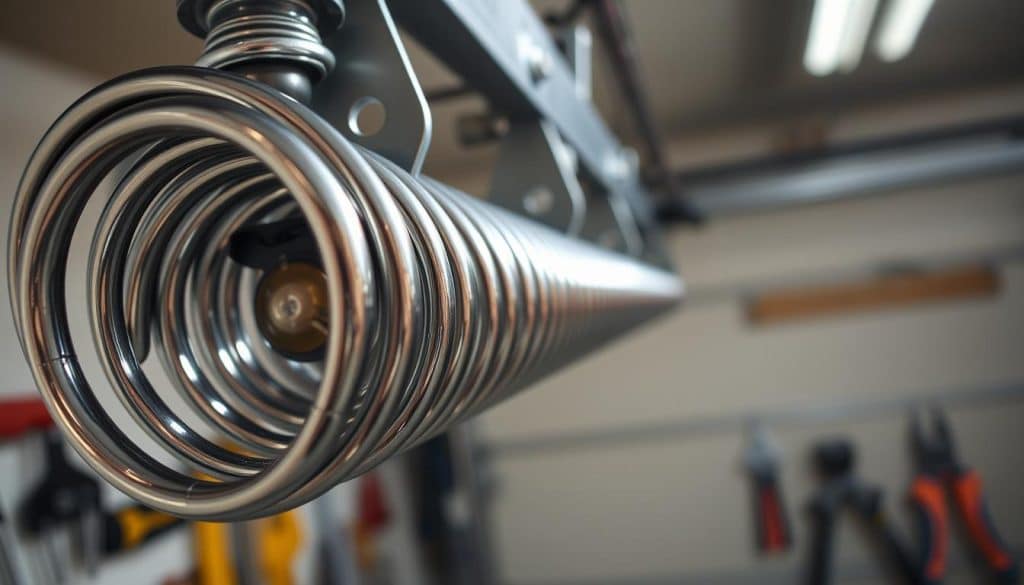
- We explain how the spring system supports hundreds of pounds and why proper balance protects the opener.
- We compare torsion versus extension setups in plain language so you can see longevity and price trade-offs.
- We set realistic time expectations—diagnosis, correct parts, and testing—so the unit runs smoothly before we leave.
- We include preventative tune-ups during work to reduce callbacks and lower long-term costs.
How much garage door spring replacement: the quick cost answer for the present
A sudden loss of lift power leaves a door off-balance and can strain the opener fast. We give clear numbers so you can budget and book the same-week visit.
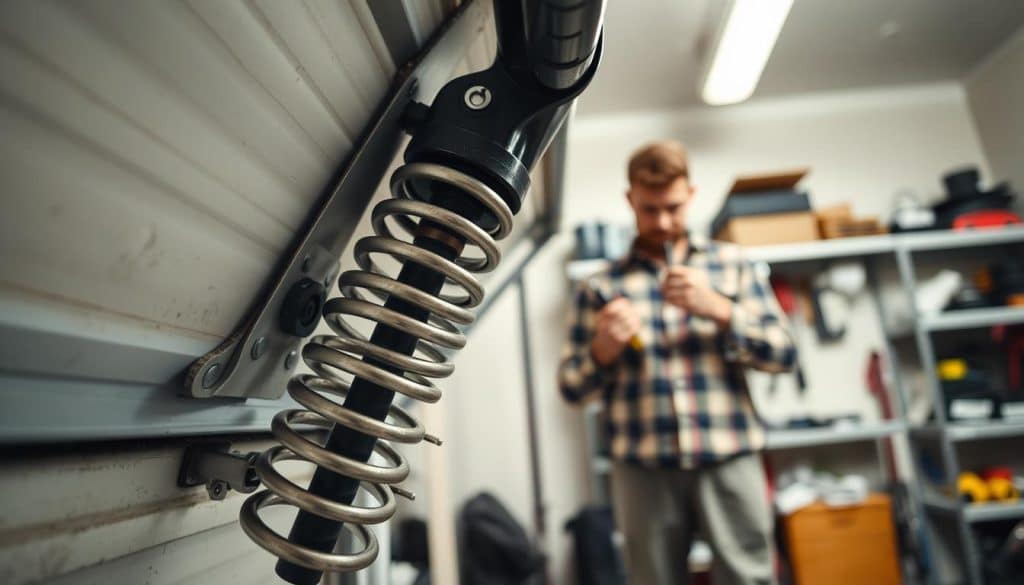
Typical range today: Installed costs usually fall between $98 and $371 per door. Extension springs run near $98–$200. Torsion springs sit around $192–$371.
- What most homeowners pay: About $150–$350 per spring, with regional differences.
- Single vs. multiple doors: Replacing springs on more than one door in a visit often totals $275–$700 and lowers travel fees.
- When prices increase: Heavy or insulated panels, dual-spring setups, custom sizes, and tight access add time and cost.
Send a quick photo or model number and we’ll confirm an accurate estimate. We provide itemized quotes showing materials, labor, and any add‑ons before work begins.
Ready to schedule? Call Garage Home Pros at (321) 200-0727 or email garagehomepros@gmail.com for a same-week estimate and fast service.
Spring types and price differences: torsion vs. extension vs. conversions
We match the coil type to your door’s weight and daily use to recommend the best value. Choosing the right setup affects safety, balance, and future service needs.
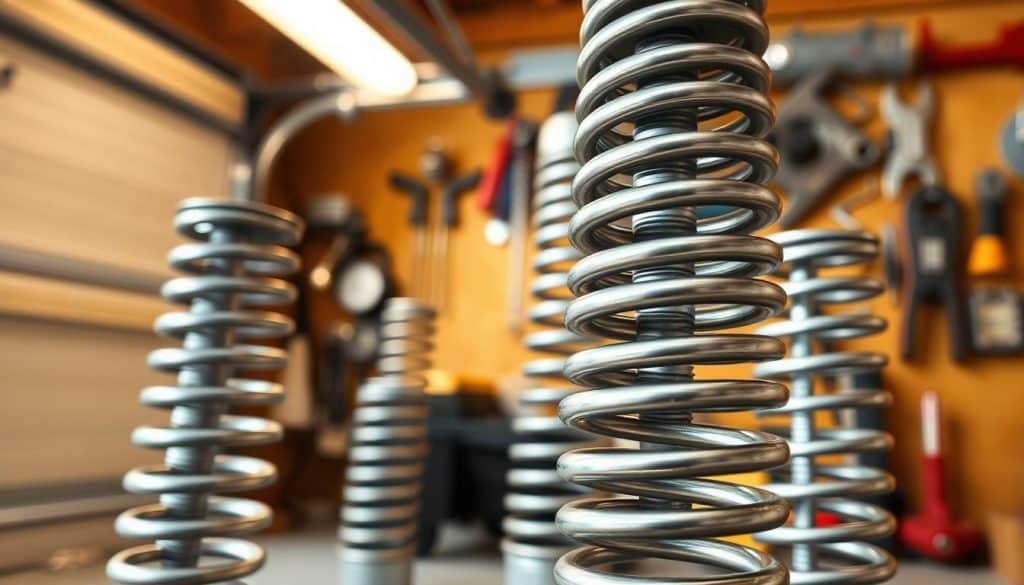
Extension springs: lower upfront cost, shorter lifespan
Installed prices: $98–$200. These units fit lighter doors and cost less to install.
They typically last 7–12 years. For basic single-panel and light sectional units, they are a practical, budget-friendly choice.
Torsion springs: higher cost, longer life
Installed prices: $192–$371. Torsion systems give smoother lift and better balance for heavier or insulated models.
Expect 8–15 years of service. A proper torsion spring reduces wear on openers and lowers long-term call-backs.
Conversions: when upgrading pays off
Converting extension to torsion usually runs about $400–$800. Converting the other way can be $250–$500 depending on parts and labor.
- We compare durability, smoothness, and safety so you can choose with confidence.
- Material quality and exact sizing matter more than sticker prices.
- Upgrading to torsion often improves balance and lowers future maintenance for heavy or double-wide doors.
- We review warranty options and cycle ratings to protect your investment.
How your door type impacts replacement costs
Our panel style and weight determine the parts and time needed. That mix affects the final price you pay and the safety of operation.
Roll-up sectional doors: $192–$371 and why balancing matters
Roll-up sectional models usually use torsion springs and need precise balance. Proper setup protects panels, rollers, and the opener. Expect installed costs near $192–$371.
Single-panel tilt-up doors: $98–$200 with simpler mechanisms
Single-panel tilt units often use extension springs. They have fewer parts and lower labor time. Typical installed ranges are $98–$200.
Insulated and carriage-style doors: added weight, custom spring sizing
Insulation and decorative hardware add weight. That requires heavy-duty springs or custom sizing. These can run about $250–$400.
Double-wide doors: more springs, more labor, higher totals
Wide openings often need two torsion springs or multiple extension setups. Totals commonly reach $300–$600 due to extra materials and labor.
- We identify your doors and explain what drives spring selection and final cost.
- We check hinges, rollers, and tracks while we work to prevent noise or uneven travel.
- We tailor spring sizing to panel design so the unit runs smooth and quiet when we leave.
Line-item add-ons: parts, labor costs, and location effects on price
An itemized quote helps you see which parts and labor drive the final invoice. We separate materials, labor, and travel so you can approve what matters now and defer non-urgent work.
Common add-ons and typical ranges:
- Cable replacement: $98–$120
- Track repair or replacement: $147–$200; realignment: $100–$175
- Basic tune-up and lubrication: $45–$100
- Opener replacement: $371–$450; panel replacement: $860–$1,200
Labor averages $75–$150 per hour. Most spring jobs take 0.5–1.5 hours, but complex access raises time on site and overall prices.
Rural calls may include travel fees of $50–$150. Urban markets often show labor costs 15–20% higher. We explain these factors upfront.
Pro tip: Replacing both springs at once preserves balance and often lowers long‑term costs by avoiding a second visit. We list parts and labor separately so you know what each line item covers.
DIY vs. professional replacement: cost risks, safety, and time
Deciding between a diy fix and calling a professional comes down to safety, skill, and time. We put safety first and advise caution when stored tension is involved.
High-tension hazards
Torsion springs hold massive energy. Without the right tools and training, releasing that energy can cause severe injury and damage. We do not recommend attempting these repairs yourself.
When limited DIY might apply
Some skilled homeowners may tackle extension springs using proper safety cables, clamps, and clear procedures. Always unplug the opener and secure the door before any work.
- High-tension parts can snap and cause injury; pros control stored energy safely.
- DIY savings vanish if a mis-sized part leads to extra repair or opener damage.
- We test balance, spring rate, and opener force so the unit works reliably.
- Pro service often takes under 90 minutes; DIY learning curves can take a full day.
Your safety comes first. If you’re unsure at any step, we’re one call away at (321) 200-0727 for fast, friendly help with any garage door repair or to replace garage door components safely.
Longevity, cycles, and value: how to choose springs that last
Choosing the right coil rating can save you service calls and keep daily use smooth. We match lifespan expectations to typical family routines so you get reliable performance without surprise costs.
Lifespan benchmarks: Extension springs usually last about 7–12 years (roughly 5,000–10,000 cycles). Torsion springs generally run 8–15 years (about 10,000–20,000 cycles).
Higher-cycle options cost a bit more up front but cut repeat trips and protect the opener. For heavy or double-wide units, premium cycles give clearer value over time.
Value and maintenance
- We translate cycle ratings into real-world years so you can match parts to daily use.
- Choosing higher-cycle hardware reduces metal fatigue and noisy operation.
- Regular lubrication and balance checks extend service life and lower long‑term costs.
- We help weigh total ownership costs versus the single-item replacement cost and offer clear warranty options.
Hiring the right technician: quotes, warranties, and what to ask
Choosing the right technician protects your family, your opener, and your wallet. Start by getting at least three itemized quotes. Compare parts, labor hours, travel fees, and projected start and finish times.
Experience, licensing, and insurance: non-negotiables for safety
Ask each technician for proof of license and current insurance. Confirm they have experience with your specific garage door style and any heavy or insulated panels.
We document our work, test balance, and set opener force so the system runs safely before we leave.
Parts and labor warranties: understanding terms and coverage
Request written warranty terms for both parts and labor. Note exclusions that can void coverage, such as DIY modifications or missing maintenance.
Prefer warranties that cover parts and labor for a clear path if problems arise after service.
Compare itemized quotes: parts, labor, travel fees, and timelines
Use an ordered list to compare estimates side-by-side:
- Parts quality and cycle rating.
- Labor hours and hourly rate.
- Travel fees and expected completion time.
Choose a local professional who communicates response time, documents the job, and offers a final walkthrough.
Pro tip: Replacing both springs at once and choosing higher-cycle parts can reduce future repairs and lower long-term costs.
As a licensed, insured local team, we provide itemized quotes, clear timelines, and strong warranties. Call (321) 200-0727 or email garagehomepros@gmail.com for a friendly consultation.
Local, fast, and friendly: spring replacement with Garage Home Pros
When a panel sticks or a cable snaps, prompt local help keeps your day moving. We are family-owned since 2014 and aim to resolve issues quickly and safely.
Trusted residential experts in your area
We serve homeowners across Polk, Osceola, Lake, Orange, and Seminole counties within a 20-mile radius. Our team brings experience, clear communication, and parts on board to finish most jobs in one visit.
Hours, contact, and fast scheduling
Monday–Saturday, 8:00 a.m.–9:00 p.m. No after-hours fees. Call (321) 200-0727 or email garagehomepros@gmail.com to book a rapid slot with an ETA.
What we fix and why we replace both when needed
- Services: residential repairs, unit installations, opener service, and emergency repairs.
- Common fixes: broken coils, off-track systems, cables, and opener faults.
- Pro tip: We often replace both units to restore balance and avoid a second visit.
- We provide upfront, itemized estimates and options for basic or upgraded cycles.
- Our trucks carry common parts to complete most jobs in one trip.
For fast, reliable work you can trust, call or email us today. We’ll explain options, costs, and timing before any work begins.
Conclusion
Fast, local help gives peace of mind and keeps your daily routine on schedule.
We’ve summarized what drives price, why spring type matters, and when upgrading delivers better long‑term value. Typical installed ranges run from about $98 to $371, with many homeowners seeing $150–$350 per unit.
Safety matters: high‑tension work is best left to pros. Choosing correct sizing, higher cycle parts, and replacing both units often lowers future bills and prevents uneven wear.
Ready when you are—call (321) 200-0727 or email garagehomepros@gmail.com for a friendly, no‑pressure estimate for spring replacement or door spring replacement and fast scheduling.