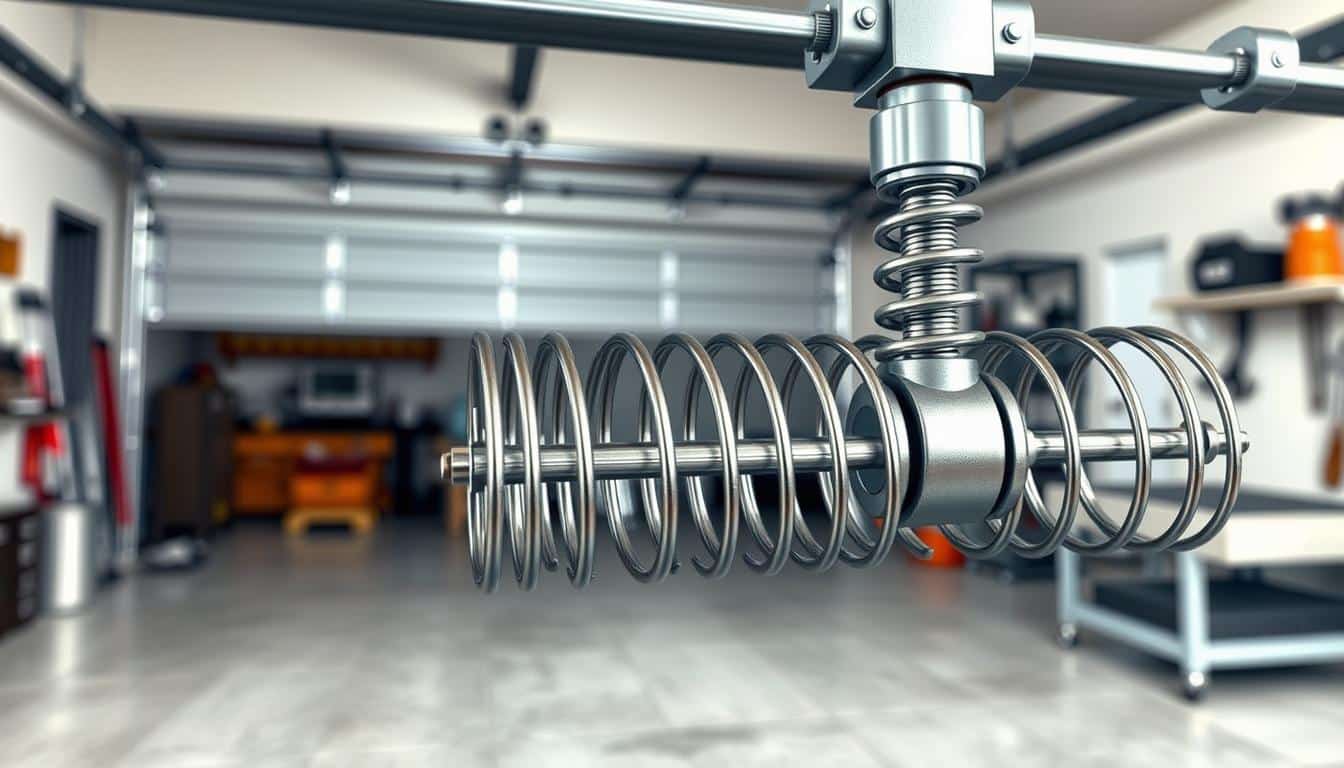
Lubricant for Garage Door Spring – Want to know why a small, correct product can stop noise and extend the life of moving parts? We ask because many homeowners try quick fixes that can actually make issues worse
We’re Garage Home Pros, family-owned since 2014, serving Davenport, FL and nearby counties. We offer fast, friendly service Monday–Saturday and emergency repairs with no after-hours fees.
Our team shows which silicone-based sprays and white lithium grease work best, where to apply them, and how much to use. We protect springs, rollers, hinges, and bearings to cut friction and reduce strain on the opener.
Clean tracks but don’t lubricate them. Routine lubrication every three to six months keeps parts quiet and reliable. Call (321) 200-0727 or email garagehomepros@gmail.com if you’d like us to handle it.
Key Takeaways
- Choose silicone spray or white lithium grease for the best results.
- Apply a light, even coat to moving components and wipe excess.
- Do not apply product to tracks; only clean tracks regularly.
- Routine care every 3–6 months reduces noise and prolongs life.
- We provide fast, professional help across Davenport and nearby counties.
What this How-To covers: choosing and using the right lubricant for garage door spring
Learn the right materials and simple steps to keep moving parts quiet and working well. We show which silicone sprays and white lithium grease give the best protection, where to apply them, and which products to avoid.
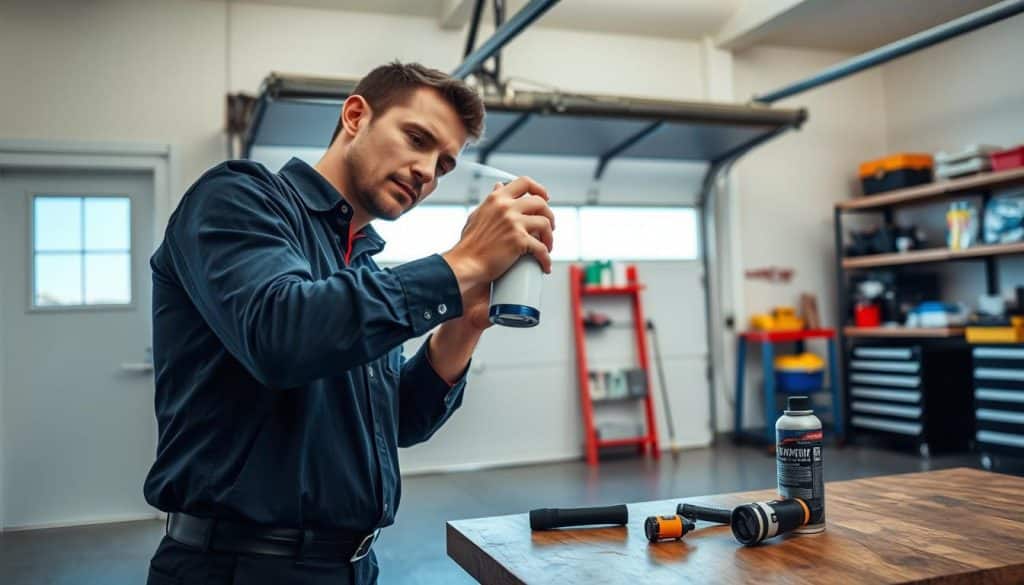
Simple DIY steps: clean the area first, apply a small, even coat to bearings and pivot points, wipe excess, then cycle the door to spread the product. Do not apply to tracks; only clean tracks regularly.
- Define the right types: silicone spray vs. white lithium grease.
- Step-by-step prep, application, and testing to restore quiet operation.
- Which parts to treat and which door components to only clean.
Lubrication every three to six months keeps parts smooth; do it more often in salty or high-use environments. If you see damaged rollers, frayed cables, or uneven motion, lubrication won’t fix the issue.
When to call us: if springs are failing, parts are broken, or you prefer a pro. We’re available Mon–Sat, 8:00 a.m.–9:00 p.m., and we offer emergency support. Call (321) 200-0727 to schedule service with Garage Home Pros.
Why garage door lubrication matters for safety, noise, and longevity
Regular attention to moving components reduces strain and extends overall service life. We focus on quiet, predictable operation and lower the chance of sudden failures.
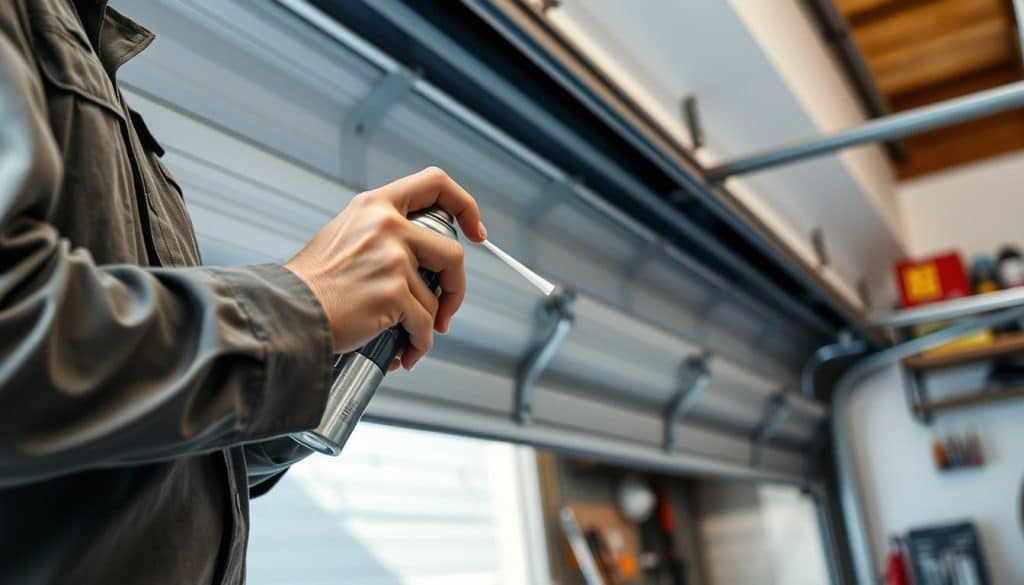
Reduce friction and noise. Cutting metal-on-metal contact stops squeaks and creates smoother operation. That means less stress on rollers and fewer jerks when the unit opens or closes.
- Protect against rust. A thin film shields springs, rollers, and hinges from corrosion in humid or coastal settings.
- Lower opener load. Less resistance helps the motor run cooler and lasts longer.
- Prevent big repairs. Small, regular maintenance extends part life and keeps movement balanced and safe.
Watch for squeaks, jerking, or sluggish motion. If you prefer we handle it, Garage Home Pros offers quick service across Davenport and nearby counties—call (321) 200-0727 or email garagehomepros@gmail.com for same-day options during business hours.
How to choose the best lubricant: silicone spray vs. white lithium grease
Choosing the right spray or grease prevents mess and protects metal contacts. We recommend matching the material to the task so you get lasting results without attracting grime.
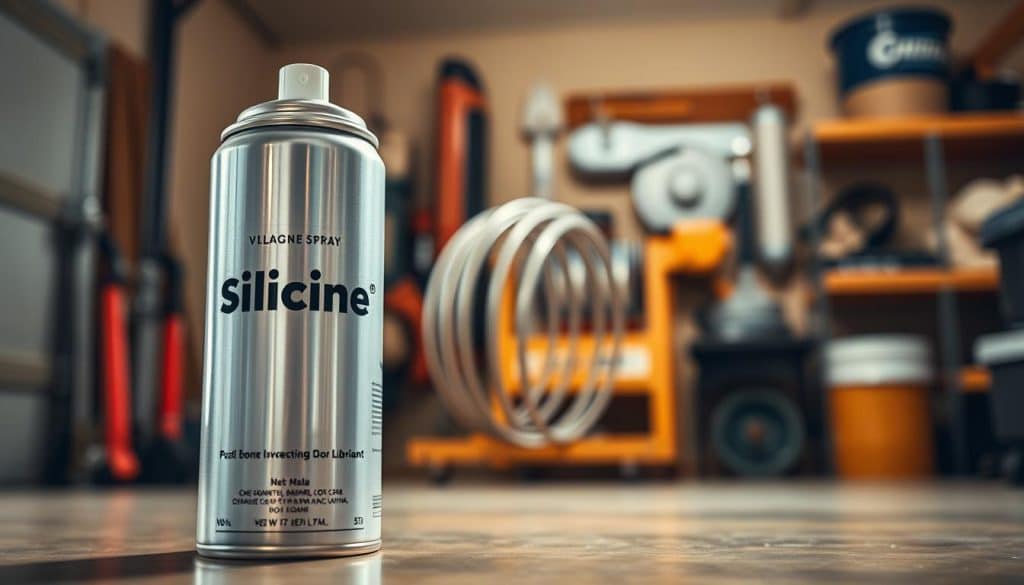
Silicone-based sprays
Silicone spray offers a clean application and resists temperature swings. It sheds dust and light dirt and works well on exposed bearings and nylon parts.
White lithium options
White lithium grease sticks to metal and gives long-lasting metal-to-metal protection. Use white lithium on heavy pivots and torsion areas that see high loads.
Products to avoid
Avoid standard WD-40 and thick general-purpose oils. They clean or attract dirt rather than protect. Also, clean tracks only; do not apply product to tracks.
- Use a directed spray or straw for precise coverage at pivots.
- Keep a rag nearby to wipe excess and stop drips from collecting dust.
- In humid or coastal climates, choose corrosion-resistant options. In cold areas, pick sprays that stay fluid in low temps.
For tailored recommendations based on your climate and usage, we’re happy to help—reach Garage Home Pros at (321) 200-0727.
Step-by-step: lubricating garage door springs and key components
Follow a clear, safety-first routine to keep moving parts quiet and working smoothly. Work with the power disconnected and the unit closed when you prep tools and surfaces.
Tools and prep
Gather gloves, a clean rag, a sturdy ladder, and the correct spray or white lithium grease. Position the unit safely and, if needed, disconnect the opener to prevent accidental movement.
Clean first
Wipe away old grease, dirt, and debris so fresh product adheres and won’t trap contaminants. Clean tracks only; do not apply grease to the tracks — just keep them free of buildup.
Targeted application
- Treat torsion springs with a light, even coat. Let it work into the coils, then wipe excess to prevent drips.
- Focus rollers at exposed bearings; avoid coating nylon wheels and cycle the unit to move product into bearings.
- Apply small amounts at hinges and pivot points to quiet joints without creating buildup.
- Quick sprays at locks, the arm bar, and bearing plates reduce metal-on-metal wear.
Operate and test
Cycle the system several times to distribute product and listen for remaining noise. If the opener strains or movement feels off, stop and call Garage Home Pros at (321) 200-0727.
Maintenance schedule: how often to lubricate garage door components
A simple maintenance plan prevents small issues from turning into big repairs. Set a predictable cadence and check high-impact points quickly.
Routine cadence
We recommend servicing moving parts every three to six months. In coastal, humid, or extreme-temperature areas, increase that frequency to protect against corrosion.
Quick checklist:
- Every 3–6 months: treat springs, rollers, hinges, and bearing plates.
- Between visits: wipe dust and reapply a light coat when you see grime.
- Set a calendar reminder so upkeep happens on time and across seasons.
Signs it’s time
Listen and look. Noise, jerky motion, visible rust, or an opener working harder are clear signs you need attention.
If you prefer not to handle routine care, we offer recurring maintenance visits Monday–Saturday with no after-hours fees. Call (321) 200-0727 or email garagehomepros@gmail.com to schedule a plan that extends part life and prevents future issues.
Choosing the right lubricant for garage door spring in real-world scenarios
Every household uses its entry system differently, so the right product depends on your routines and climate. We match recommendations to daily use, humidity, and temperature.
High-use households
White lithium bonds to metal and stays put during heavy cycles. Use white lithium on concentrated load points where parts see many openings each day.
We also suggest lithium grease on heavy pivots. That choice gives longer protection and reduces wear between tune-ups.
Extreme temperatures
Silicone sprays resist freezing and thinning in heat. They keep smooth operation in cold winters and hot summers without gumming up exposed pivots.
- We tailor choices for torsion and bearings to balance longevity and clean application.
- Mix approaches: silicone at accessible pivots; white lithium on high-load springs and plates.
- We factor in humidity and coastal air, recommending products that limit corrosion.
Not sure what’s best? We’ll recommend the right setup based on your usage and climate—call Garage Home Pros at (321) 200-0727.
Need help beyond DIY? Garage Home Pros can service and repair your garage door
Some problems need a technician’s tools and experience to fix right the first time. We respond fast and explain what must be done.
When to call a pro
- Broken springs, a door off track, or frayed cables are hazardous and need trained repair.
- Reach out when an opener stalls, reverses, or makes strange noises. We diagnose the door opener and related components quickly.
- If rollers, hinges, or tracks show damage, we replace parts and restore smooth movement.
Where we serve
We’re family-owned since 2014 and cover Davenport, FL, plus Polk, Osceola, Lake, Orange, and Seminole counties. Our crew works within a 20-mile radius to keep arrival times short.
Fast, friendly service and contact
Mon–Sat, 8:00 a.m.–9:00 p.m. We offer emergency garage door repairs during business hours with no after-hours fees.
- Garage Door Repair and Installation
- Openers Repair & Replacement; Broken Springs Replacement
- Repair Broken Cables; Doors Off Tracks; Residential services
One call gets a real person: (321) 200-0727. Or email garagehomepros@gmail.com for fast scheduling and clear estimates.
Conclusion
A few minutes each season stops rust, cuts friction, and extends part life. Use silicone sprays on exposed pivots and white lithium or lithium grease on high-load points like torsion and bearing plates.
Clean tracks only; do not lubricate tracks. Wipe excess, cycle the door several times, and check rollers, hinges, and springs for noise or binding. Reapply every three to six months, or more often in salty or high-use settings.
If you want a smooth, quiet result year-round, we can handle the work. Call Garage Home Pros at (321) 200-0727 or email garagehomepros@gmail.com. We’re local, family-owned, and available Mon–Sat 8:00 a.m.–9:00 p.m. with emergency service and no after-hours fees.