We’re Garage Home Pros, family-owned since 2014. We deliver fast, reliable repair and installation with a friendly touch. Call (321) 200-0727 or email garagehomepros@gmail.com for same-day help in Davenport, FL and nearby counties.
Our short guide explains the moving parts, the opener types, and the counterbalance that does the heavy lifting. You’ll learn which door opener fits your budget and which opener horsepower your garage door needs.
We cover essential safety features and clear maintenance tips. If your door is noisy, stuck, or acting up, you’ll know when to try a simple fix and when to call us for professional service.
Key Takeaways
- One clear overview of the parts that make your system run smoothly.
- Tips to choose the right garage door opener and power level.
- Simple safety checks to protect your home and family.
- Basic maintenance steps you can do yourself to avoid costly repairs.
- When to call Garage Home Pros for fast, trusted service in your area.
Garage door system basics: key parts that lift, lower, open, and close
A mix of springs, cables, rollers, and a drive unit turn a heavy barrier into a manageable moving part. Below we name the main parts and explain what each one does in the system.
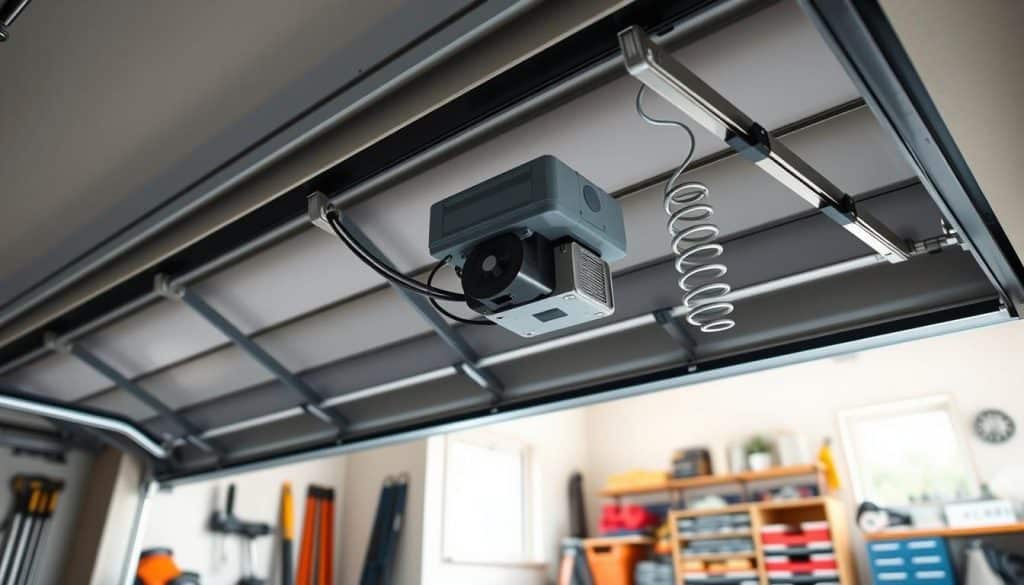
Torsion springs, drums, and cables
Torsion springs store energy to lift lower weight. Drums rotate at the top corners while cables wind and unwind to balance the panel. If you see frayed cables or a gap in a torsion spring, stop using the system and call for service.
Tracks, rollers, and door sections
Tracks and rollers guide smooth travel. Misaligned track causes binding or noise. A top-panel strut and sturdy brackets keep sections from flexing during movement.
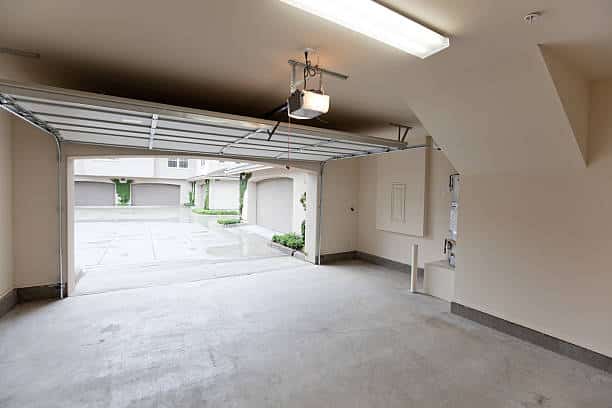
Motor, drive unit, and trolley
The motor powers the drive and trolley. The opener sets start, stop, and speed limits so the panel opens and closes safely.
Photo eye sensors and safety reversing system
Photo eyes project a beam across the opening. If the beam is broken, the system stops and reverses to protect people and pets.
Emergency release rope and wall controls
The red emergency release disconnects the trolley so you can lift lower the panel by hand. Wall controls and remotes let you operate the unit normally.
- Tip: Proper lubrication reduces wear on parts.
- Call: For springs, cables, tracks, or opener repairs, call Garage Home Pros at (321) 200-0727.
- We offer emergency service Monday–Saturday with no after-hours fees in Polk, Osceola, Lake, Orange, and Seminole counties.
How does garage door work from button press to door movement
Pressing a remote sends a short radio code that tells the garage door opener to begin its cycle. Modern transmitters use rolling codes so the signal changes each time for added security.
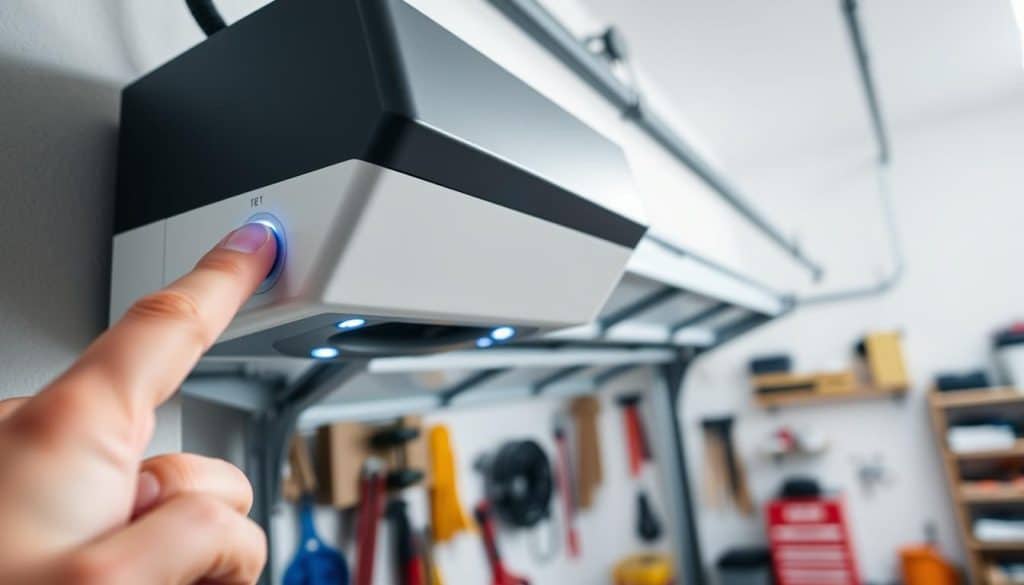
Radio, receiver, and controller
The receiver picks up the matching code and the controller powers the motor and drive. The trolley moves along the rail and the opener guides travel with precise commands.
Counterbalance action
As the trolley pulls, the torsion spring and cables share the load to lift lower the panel smoothly. This prevents the motor from straining and ensures steady motion.
Open and close cycles
Limit settings tell the system where the door opens and where door closing stops. Force settings control how firmly the unit closes so the panel won’t slam.
- Quick checks: weak batteries or a misaligned antenna can stop signals; we test these fast.
- Safety: photo sensors reverse the cycle within about two seconds if the beam is broken.
- Troubles: if the trolley moves but the panel won’t, broken torsion or loose cables may be the cause—call us for same-day repair at (321) 200-0727.
Types of garage door openers and drive systems for your home
Different drive systems change noise, maintenance, and where the motor sits in your setup. We match options to your home layout and use so your system runs quietly and reliably.
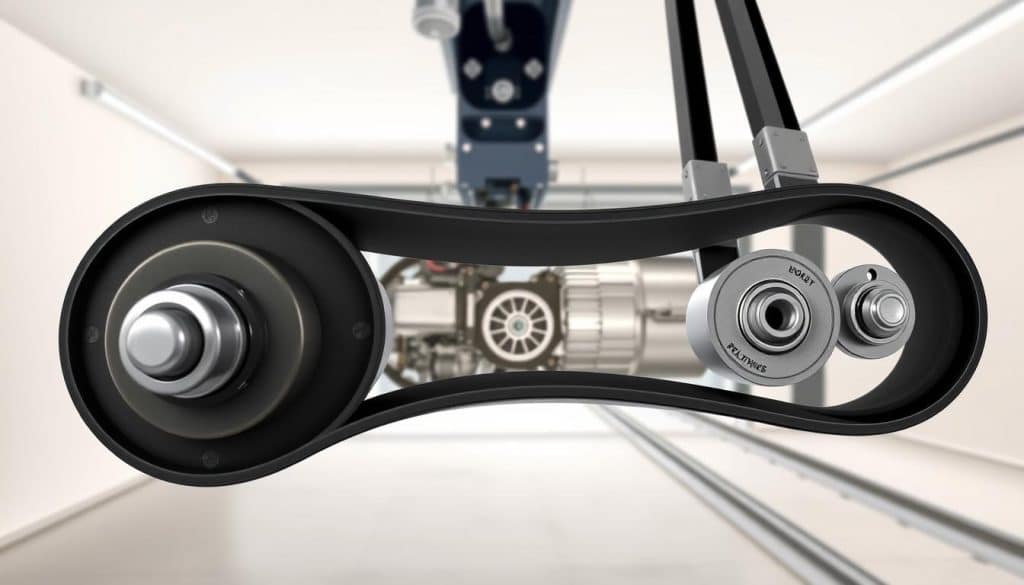
Belt drive: quiet, low vibration for attached homes
Belt drive uses a rubber belt for smooth, quiet motion. It has fewer moving parts and lower maintenance. For attached living spaces, we recommend belt drive or direct drive options.
Chain drive: budget-friendly power with a metal chain
Chain drive uses a metal chain for durable lifting power. It is cost-effective but louder, so it works best for detached buildings or garages set away from bedrooms.
Screw drive and motor placement options
Screw drive moves the trolley along a threaded rod. It needs less upkeep and gives smooth action with fewer parts.
Direct drive and jackshaft: motor-at-the-panel for ultra-quiet performance
Direct drive and jackshaft systems place the motor at the torsion rod or side. They are ultra-quiet and keep the ceiling clear for bulky storage.
- Horsepower pairing: 1/3 HP for light single panels; 1/2 HP for standard two-car panels; 3/4–1 1/2 HP for heavy or high-cycle installations.
- We install, replace, and program openers of all types and set travel, force, and sensors on every job.
- Call (321) 200-0727 for a quiet opener recommendation and same-day scheduling in Davenport, FL.
Safety, security, and standards every garage door system should meet
Protecting people and property is the top priority for any properly installed system. We test and certify safety features on every service call. If sensors or the auto-reverse aren’t working, we fix them the same day. Call (321) 200-0727.
Photo eyes and two-second auto-reverse
Photo eyes guard the opening and trigger auto-reverse within about two seconds if the beam is broken during door closing. This feature prevents injury to people and pets and meets current CPSC timing rules.
30-second reopen, external sensors, and quick detach
Compliant units command a 30-second reopen if the panel fails to reach the floor. Every opener we service must have a working quick-release so you can open close door by hand during an emergency.
Rolling codes, audio warnings, and smart controls
Modern transmitters use rolling codes that change with each cycle to block code grabbing. Protector systems and optional audio beeps warn anyone nearby before the panel moves.
- We verify force and limit settings so the system stops at the floor without excess pressure.
- We check torsion balance, wiring, sensors, brackets, and opener mounting on every visit.
- We recommend smart controls for alerts and remote access to improve security and daily convenience.
Maintenance, troubleshooting, and when to call Garage Home Pros
A few quick checks can restore reliable opening and closing in minutes.
Start with easy maintenance you can do safely. Swap remote batteries and verify the wall control’s lock is off. Stand near the panel when testing so range isn’t the issue.
Quick DIY checks
Confirm the sensors face each other and show lit LEDs. A small bump can misalign them and stop normal opening closing.
- Clear debris from the track and wipe rails.
- Add light lubricant to rollers and hinges to quiet the system and extend parts life.
- Tighten loose hardware and test balance by lifting the panel a few inches.
Professional repairs and installations
Stop using the system if the panel is heavy to lift or slams shut. Broken springs or frayed cables are a hazard and need trained techs.
We replace springs, repair broken cables, reset off-track panels, and service openers. If an opener hums but won’t move, that often points to a drive or trolley fault we will diagnose and fix.
Emergency service: Monday–Saturday, 8:00 a.m.–9:00 p.m., no after-hours fees. We serve Polk, Osceola, Lake, Orange, and Seminole counties. Call (321) 200-0727 or email garagehomepros@gmail.com for repair, installation, and parts replacement.
Conclusion
A well-tuned system keeps your entry safe, quiet, and ready every time you need it.
From first press to final stop, a balanced garage system protects your home and family. Choosing the right drive and horsepower helps the opener and motor lift lower the panel smoothly for years.
Regular service keeps parts, torsion balance, chains, and tracks aligned. Modern openers with rolling-code security and tested sensors add layers of safety and convenience.
We’re your trusted local partner for garage doors — family-owned since 2014. For fast, friendly help call (321) 200-0727 or email garagehomepros@gmail.com. We serve Polk, Osceola, Lake, Orange, and Seminole counties Monday–Saturday, 8:00 a.m.–9:00 p.m., with emergency service and no after-hours fees.