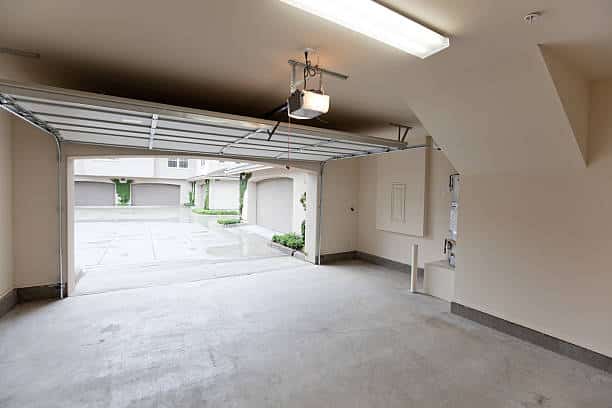
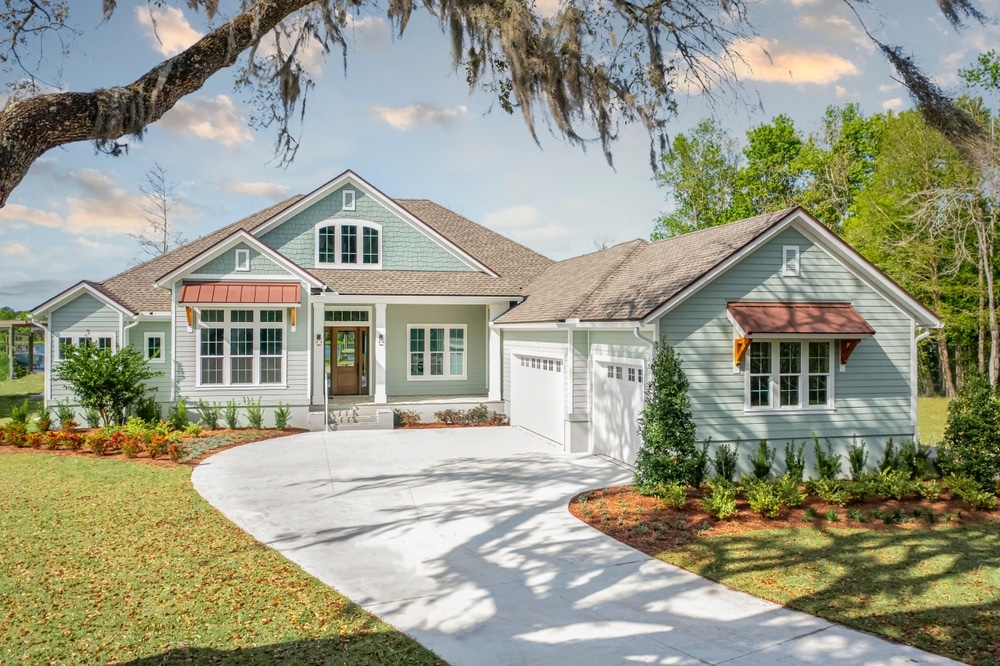
Are garage doors insulated? Learn how insulated garage doors reduce drafts, improve energy efficiency, and help lower monthly energy bills
We answer that question clearly so you can make a confident decision about your home’s comfort and curb appeal. As Garage Home Pros, we install and repair systems across Davenport and nearby counties. We work Monday-Saturday, 8:00 a.m.-9:00 p.m., and offer fast response with no after-hours fees. Call (321) 200-0727 or email garagehomepros@gmail.com for help today.
Most basic single-layer units use thin metal with no thermal barrier. Insulated models use two or three layers with a rigid foam core that adds stiffness, reduces noise, and helps steady interior temperatures. R-values measure how well the panel resists heat flow; higher numbers mean better protection from heat and cold.
Installed costs typically range from about $1,100 to $4,200. Price depends on size, material, insulation type, hardware, and design. We explain benefits, trade-offs, and when an insulated option makes the most sense for your car, workshop, or storage needs.
Key Takeaways
- Insulated units add layers and foam for better thermal control and noise reduction.
- R-values and U-factors show how much heat and air move through the opening.
- Costs vary widely; smart design choices can improve long-term value.
- Best for attached spaces and homes facing wide temperature swings.
- Call us for expert advice, installations, or same-day repairs.
Are garage doors insulated? The quick answer homeowners need right now
If your entry swings between hot and cold with the seasons, the right upgrade can help steady indoor comfort.
Yes — insulated garage doors come in single-, double-, and triple-layer builds. Multi-layer panels use rigid foam cores to resist heat flow and cut street noise. That stiffness also reduces vibration and improves day-to-day operation.

If you have a basic single-layer panel, you likely have little to no insulation. Outside heat and cold air then affect interior temperatures, especially in attached layouts or rooms next to the entry.
- An insulated unit adds a thermal barrier to lower heat loss in winter and heat gain in summer.
- You’ll notice quieter operation, steadier temperatures, and better long-term durability.
- Weather seals and a snug fit matter — gaps let air bypass even high-rated insulation.
We can assess your setup in minutes and advise whether a retrofit or a new insulated garage model fits your goals and budget. Call (321) 200-0727 for fast, professional help without wasted time.
How insulated garage doors work: R-values, U-factors, and heat transfer explained
Understanding how thermal resistance and whole-panel performance work helps you pick the best upgrade for comfort and savings.
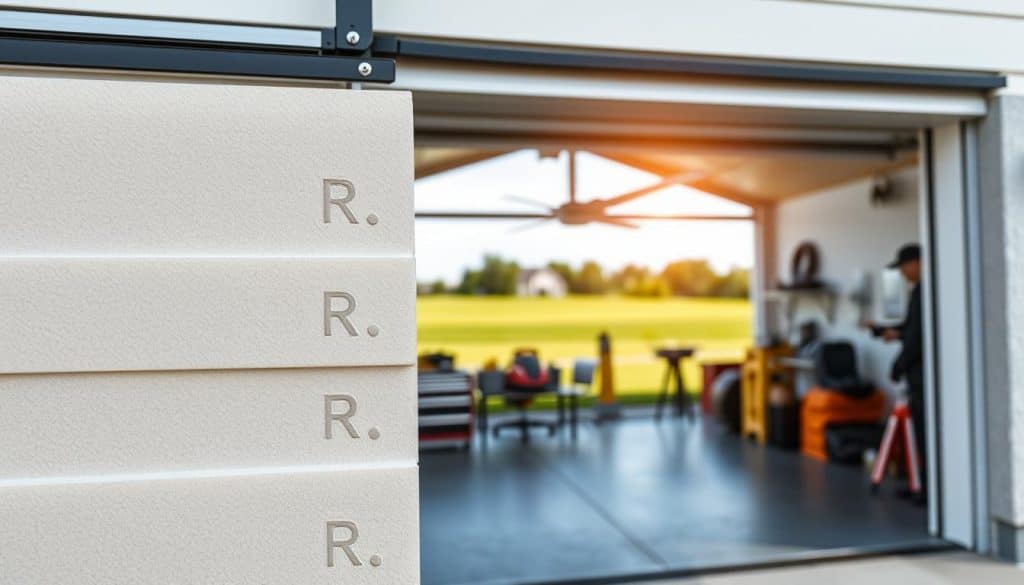
R-value: resistance to heat flow
R-value measures how well the panel slows heat transfer. Higher R-values mean the interior stays nearer to your desired temperature. Thicker or denser foam cores raise R-value.
U-factor: whole-assembly performance
The U-factor looks at the entire assembly—panels, frame, and hardware. Lower U-factors signal less overall heat transfer across the opening.
Multi-layer construction and materials
Common builds bond steel skins to rigid foam cores such as polystyrene or polyurethane. These layers add stiffness, cut heat transfer, and improve energy performance.
Seals, fit, and real-world performance
Even high-rated insulation fails if air leaks around the edges. Quality weather stripping, correct clearance, and proper springs keep the seal tight and the system balanced.
- Choose polystyrene for budget value; choose polyurethane for higher R-value in the same thickness.
- Confirm opener capacity and spring sizing to handle added weight.
- We recommend professional installation to keep balance, alignment, and seal integrity over time.
Benefits that matter: comfort, energy savings, noise control, and durability
Improving the home’s biggest moving opening delivers clear comfort and energy wins you notice right away.
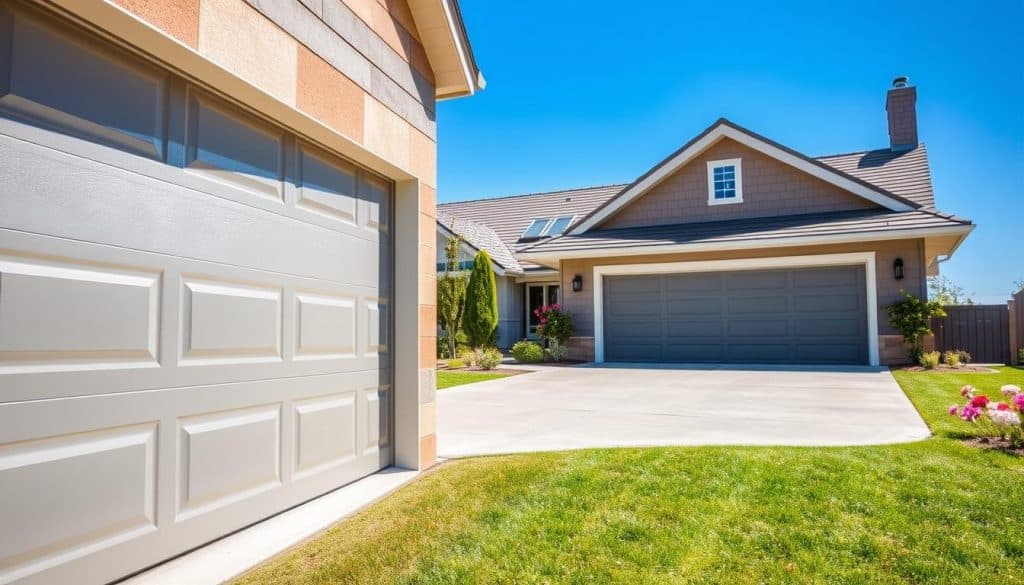
Lower energy bills and steadier temperatures: Upgrading panel construction cuts heat flow through one of your home’s largest gaps. This helps maintain nearby room temperatures and reduces HVAC runtime.
Year-round comfort for hobbies and work: A well-built insulated garage offers usable space for workouts, projects, or storage without frequent temperature swings in winter or summer weather.
- Quieter operation: Added insulation and stiffer panels dampen street noise and mechanical vibration.
- Improved durability: Multi-layer builds resist dents and warping better than single-layer options over time.
- Long-term value: Energy savings plus lifespan gains repay the initial investment in time and money.
We recommend weather seals and professional installation to lock in these benefits. We help match performance to your climate and daily use so you get the right balance of comfort, energy efficiency, and durability.
Insulated garage door options: materials, insulation types, and layers
Selecting the right combination of material and core affects comfort, noise, and maintenance. We outline clear trade-offs so you can pick the option that suits your home and budget.
Door materials: steel, aluminum, wood, and composite
Steel gives low upkeep and solid durability with moderate thermal value. Aluminum is light but offers less thermal resistance. Wood looks classic but needs more care and has lower performance. Composite wood blends a wood finish with a layered core for better strength and thermal gains.
Insulation types: polystyrene vs. polyurethane
Polystyrene comes as a rigid board that’s easy to fit and reduces noise. Polyurethane is injected foam that bonds tightly and typically delivers higher R-values for the same thickness. Fiberglass can fit some builds but often underperforms in long-term sealing and durability.
Single-, double-, and triple-layer builds
Single-layer panels offer no real thermal barrier. Double-layer often adds polystyrene for basic insulation. Triple-layer maximizes rigidity and thermal performance with a foam core sandwiched between skins.
- We compare materials for durability, upkeep, and insulating potential.
- Choose polyurethane when top R-value matters; pick polystyrene for cost balance.
- Match opener power and springs to heavier builds and add perimeter seals to lock in performance.
Costs, value, and incentives: what to expect when upgrading
Knowing upfront costs helps you avoid surprises and choose the right upgrade. We set clear expectations on price, value, and any incentives before we start.
Typical installed price ranges and what drives them
Expect about $1,100–$4,200 installed for an insulated upgrade. Size, material, and insulation type are the main factors that move your cost up or down.
Design options like windows, decorative hardware, and smart features add time and money. Steel panels and polyurethane cores cost more than basic alternatives but offer higher R-value and durability.
Design, hardware, and opener considerations for heavier assemblies
Heavier builds need stronger openers, correct springs, and reinforced tracks. We match horsepower and calibrate springs to ensure safe, long-lasting operation.
- We recommend the right opener horsepower for heavier assemblies.
- Track reinforcement and spring tuning increase longevity and safety.
- Windows and trim affect both looks and thermal performance.
Potential tax credits, rebates, and long-term ROI
Some models that meet efficiency standards may qualify for federal credits or local rebates. Ask us to confirm eligibility and handle documentation.
Benefits include better comfort, lower energy waste, and a longer service life. That long-term return often offsets initial costs and saves money over time.
We provide ballpark costs upfront, schedule installation at your convenience, and fully test the system on completion. Our team stands behind the work and responds quickly if fine-tuning is needed.
Choosing the right insulated door for your climate, garage type, and usage
Match panel performance to daily use and local climate so you get comfort without wasted cost. We focus on how you use the space, seasonal swings, and safe installation needs when we help you decide.
Attached vs. detached and frequency of use
Attached spaces benefit most from higher R-value and tighter seals because adjacent rooms feel the change in temperature. If you open the entry many times per day, heavy insulation can help nearby rooms but frequent cycling reduces net savings.
Climate, weather, and material choices
Choose builds that suit cold winters or hot summers. We weigh materials and insulation to balance cost with real-world performance in your local climate.
Windows, clearance, and safety
Windows improve curb appeal but lower thermal performance. We verify headroom, side room, and opener power so heavier assemblies operate safely.
- Seal gaps with quality weather stripping to stop drafts and air loss.
- Right-size hardware for weight and balance to protect springs and openers.
- Plan maintenance so the investment keeps saving heat and cooling energy over time.
Professional help from Garage Home Pros: installation, repairs, and emergency service
A trusted local team makes upgrades and repairs simple so your home stays secure and efficient.
Family-owned since 2014, we serve Polk, Osceola, Lake, Orange, and Seminole counties within 20 miles. We work Mon–Sat, 8:00 a.m.–9:00 p.m., with no after-hours fees.
Services we offer
We handle new garage door installs and full replacements. We also repair openers, replace broken springs, fix frayed cables, and realign doors off track.
Why professional installation matters
Heavier, insulated assemblies need correct springs, tracks, and opener power. Proper hardware prevents premature wear and protects efficiency and durability.
- We install insulated garage doors with matched springs and openers.
- Emergency repairs—springs, cables, and off-track doors—done fast.
- We seal perimeters to stop drafts, guard insulation value, and reduce noise.
- We test safety features and leave clean, reliable workmanship.
Call (321) 200-0727 or email garagehomepros@gmail.com for prompt service. We help you choose a new garage door or service the one you have so the benefits last and heat transfer is controlled.
Conclusion
A proper fit, matched hardware, and quality cores deliver consistent comfort through every season.
Insulated garage door upgrades cut heat transfer and limit air leaks when paired with tight seals. Good door insulation and correctly sized openers keep panels balanced and reduce noise. Choose cores like polyurethane for high R-value when efficiency matters.
We’ve shown how door insulation, R-values, and U-factors work together to protect your home. Costs vary by material, size, and features, and some models may qualify for incentives.
We are family-owned since 2014. We serve Polk, Osceola, Lake, Orange, and Seminole counties within 20 miles. For expert guidance or fast service, call (321) 200-0727 or email garagehomepros@gmail.com.